Wondering whether an Atascadero home could work as a rental before you buy it or make major updates? That is a smart question, especially in a market where purchase prices, rent levels, and local rules do not always line up neatly. If you want to make a confident decision, you need more than a quick online estimate. You need a practical way to evaluate rent potential, legal use, and day-to-day livability. Let’s dive in.
Start With Atascadero Market Basics
Atascadero is a relatively small and steady housing market, which is part of what makes careful analysis so important. Census estimates put the city at 29,743 residents in 2024, with 11,510 households and a 62.5% owner-occupied housing rate. That means rental demand exists, but it sits within a market that is still primarily owner-occupied.
The local renter picture also shows real affordability pressure. The city housing element reported 35% renter occupancy and a 4% overall vacancy rate in 2018, and 40% of renter households were paying more than 30% of income toward rent. For you as a buyer or property owner, that suggests there is a meaningful need for rental housing, but it also means tenants may be price-sensitive.
Rent benchmarks vary depending on the source. The Census reported a median gross rent of $1,855 in the 2019 to 2023 ACS, while Zillow reported average rent at $2,461 in Atascadero as of April 30, 2026. Those numbers are best used as a range, not a single answer, because each source uses a different method.
Use Three Rent Benchmarks
If you are trying to gauge rental potential, one number is never enough. A better approach is to compare three types of rent data before you make assumptions about income.
Current asking rents
Current asking rents help you see what the market is trying to support right now. Zillow’s Atascadero page reported an average rent of $2,461 as of April 30, 2026. That gives you a live snapshot, but it should not be treated as a guarantee for any specific home.
Government rent standards
HUD’s FY2026 small-area fair market rent schedule gives you a useful public benchmark by ZIP code. In ZIP 93422, HUD lists $2,390 for a 2-bedroom unit, $3,210 for a 3-bedroom unit, and $3,670 for a 4-bedroom unit. In ZIP 93423, the 2-bedroom benchmark is slightly higher at $2,510.
These figures are helpful because they offer a conservative reference point. They do not replace property-specific comps, but they can help you test whether your expectations are realistic.
Long-run affordability checks
The Census median gross rent is not a live pricing tool, but it does give useful context. If your projected rent is far above broader local affordability patterns, you should pause and examine whether the unit’s size, condition, layout, or legal setup truly supports that premium.
Check Legal Use Before Features
In Atascadero, rental potential often starts with legality, not finishes. Before you get excited about extra bedrooms, a detached garage, or a large lot, you need to confirm what the parcel allows.
The City of Atascadero tells property owners to identify parcel zoning and allowed land uses before deciding what can be done with a property. That matters because the best-looking rental strategy on paper may not be allowed under the property’s zoning, site conditions, or occupancy rules.
If you are considering a second unit, the city’s ADU and SB9 guidance becomes especially important. The city says qualifying SB9 lots must be in the urbanized area, in single-family zoning, served by city sewer, and able to meet fire-access standards. The city also notes that some SB9 paths require owner occupancy for three years after approval.
Evaluate ADU and JADU Potential Carefully
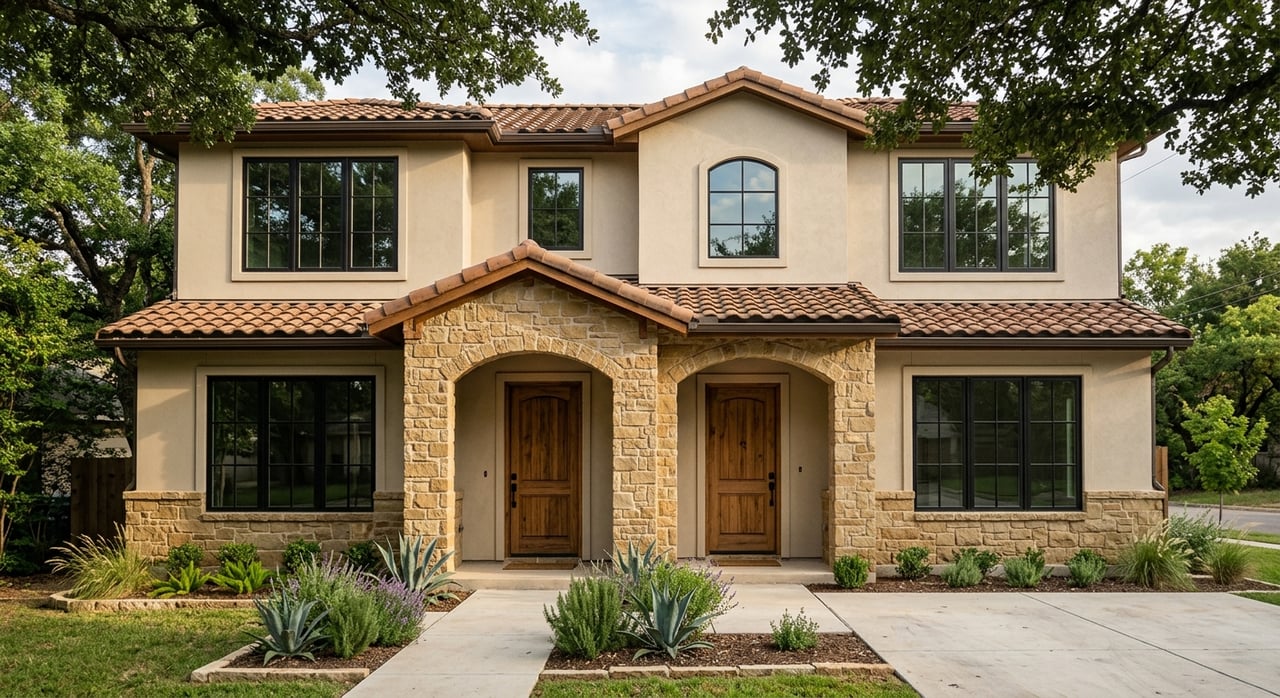
A property with room for an additional unit can look attractive, but not every lot will support the same income path. Atascadero says ADUs can be detached, attached, or converted from an existing garage or another part of the primary residence. JADUs are created within the existing home.
That flexibility can improve rental potential, but only if the property works both legally and physically. Separate access, utility setup, parking, privacy, laundry, and yard use can all affect whether a second unit feels functional enough to rent well.
You should also know the local limitations. Atascadero says ADUs are independent rental units, but they are not allowed as short-term rentals, and JADUs require owner occupancy. If you are underwriting a property, long-term rental income is the safer assumption.
Focus On Layout And Everyday Livability
Once legal use checks out, the next step is to study how the home functions in real life. Renters do not just pay for square footage. They pay for usability.
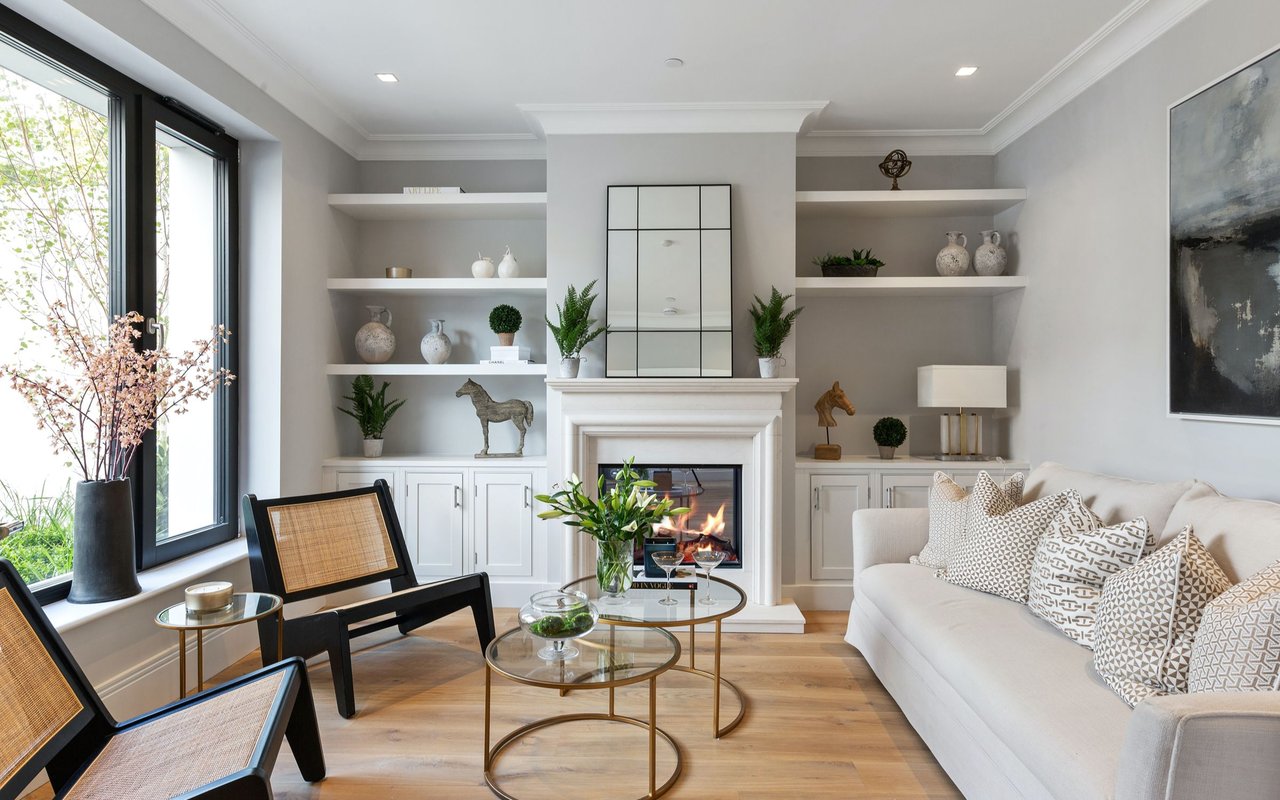
In Atascadero, broad appeal often comes from simple, practical features. Bedroom count, bathroom count, storage, parking, laundry space, and a layout that creates privacy between living areas can all influence rent potential. A home that works smoothly day to day will usually attract a larger renter pool than one with a quirky or highly specialized floor plan.
The local household profile supports that approach. Census data shows Atascadero has an average household size of 2.54 people, with 21.0% of residents under 18 and 17.2% age 65 or older. That suggests many renters may value flexible homes that are functional for everyday living, whether that means extra bedroom space, lower-maintenance design, or a more accessible layout.
Reliable internet also matters. Atascadero has high rates of computer ownership and broadband subscriptions, at 95.9% and 93.7% of households. If a home offers dependable work-from-home space or an easy office setup, that may strengthen its appeal.
Run A Simple Screening Calculation
Before you go too deep, it helps to do a basic screening pass. This is not a full investment analysis, but it can tell you whether a property deserves a closer look.
Zillow’s April 2026 Atascadero figures showed a typical home value of $783,952 and average rent of $2,461. Using those figures together produces a rough annual gross rent-to-value ratio of about 3.8% before taxes, insurance, maintenance, vacancy, financing, and other ownership costs.
That number is only a screening tool. It is not a cap rate, and it does not tell you whether an individual home will actually perform well. Still, it can help you compare a possible purchase against other options and decide whether it is worth building a full property-level pro forma.
Build A Property-Level Pro Forma
A home is not a strong rental just because it can command decent rent. It also needs to work after the real costs of ownership are added in.
Your projected rent should be tested against:
- Vacancy
- Maintenance and repairs
- Property insurance
- Property taxes
- HOA dues, if any
- Property management costs, if applicable
- Utility obligations
- ADU-related setup or compliance costs
This is where many buyers make better decisions. A property that looks promising on a listing site may feel less attractive once you include the full cost picture.
Watch For Rules That Affect Income Growth
Rental potential is not only about the starting rent. It is also about what happens after you own the property.
California’s Tenant Protection Act generally caps rent increases for covered homes at 5% plus inflation, or 10%, whichever is lower, over a 12-month period. It also adds just-cause requirements after 12 months of tenancy. Not every property is covered, though, so you should verify the home’s status before making assumptions about future rent growth.
Some homes may be exempt, including housing with a certificate of occupancy issued within the previous 15 years and certain single-family owner-occupied residences. The key point is simple: do not underwrite unlimited rent growth unless you have confirmed the property’s legal status.
Consider Future Supply And Competition
It also helps to look beyond the property itself. Local housing supply can influence your future competition and rent growth.
Atascadero’s 2021 to 2028 Housing Element says the city had a Regional Housing Needs Allocation of 843 units, and 673 units had already been completed, issued, or approved since January 1, 2019. The same plan includes programs to review and revise multi-family permit requirements and adjust RMF height rules.
For you, that means the supply pipeline is active. A home that rents well today may face more competition tomorrow, especially if new units come online in similar price ranges or bedroom counts.
A Practical Way To Judge Rental Potential
If you want a simple framework, ask these questions in order:
- Is the current or planned rental use legal?
- What do current asking rents, HUD benchmarks, and local comps suggest as a realistic range?
- Does the layout support everyday renter needs?
- Could an ADU or JADU add value, and is that path legal and workable?
- Does the property still make sense after vacancy, maintenance, insurance, taxes, and other costs?
- Are rent-growth assumptions realistic under California rules and local market competition?
When you answer those questions in that order, you get a much clearer picture of whether a home has true rental potential or just surface appeal.
If you are weighing an Atascadero purchase and want local guidance grounded in real market experience, Oaks to Ocean Real Estate can help you evaluate homes with both livability and long-term rental performance in mind.
FAQs
How can you estimate rent for an Atascadero home?
- Use at least three benchmarks together: current asking rents, HUD fair market rent figures, and local property comps. In Atascadero, those sources can vary, so it is better to build a realistic rent range than rely on one number.
What rental benchmark is useful in Atascadero ZIP codes?
- HUD’s FY2026 schedule lists a 2-bedroom fair market rent of $2,390 in ZIP 93422 and $2,510 in ZIP 93423. These are helpful public benchmarks, but they should still be compared with current listings and similar local rentals.
Can an ADU increase rental potential in Atascadero?
- It can, but only if the property supports an ADU legally and physically. Atascadero allows several ADU types, but ADUs cannot be used as short-term rentals, and JADUs require owner occupancy.
What should you check before renting out an Atascadero house as-is?
- Start with zoning, allowed land use, and whether any ADU, SB9, or occupancy rules affect the property. A home may look rentable, but local rules can change what is actually possible.
Does Atascadero show enough renter demand to support rentals?
- The city has a meaningful renter base, a 35% renter occupancy figure in the housing element, and a 4% overall vacancy estimate from 2018. Those numbers suggest real rental demand, but they also support doing careful rent and competition analysis before you buy.