Imagine stepping outside and strolling to coffee, the park, and dinner without getting in the car. If you are relocating to Paso Robles, knowing where you can live within a short walk of daily needs makes life simpler and more enjoyable. In this guide, you will learn which parts of town offer the most day-to-day walkability, what typical walking times look like, and how to evaluate a block during a tour. Let’s dive in.
Paso Robles walkability, defined
Walkability here means you can reach everyday essentials on foot within about 5 to 20 minutes. Think coffee, a neighborhood market, a pharmacy, restaurants, tasting rooms, parks, and a few service businesses. Variety and frequency of destinations matter as much as sidewalks and crossings.
For quick reference, picture these time bands:
- About 5 minutes is roughly a quarter mile.
- About 10 minutes is roughly a half mile.
- About 20 minutes is roughly one mile.
Downtown core: park and Spring Street
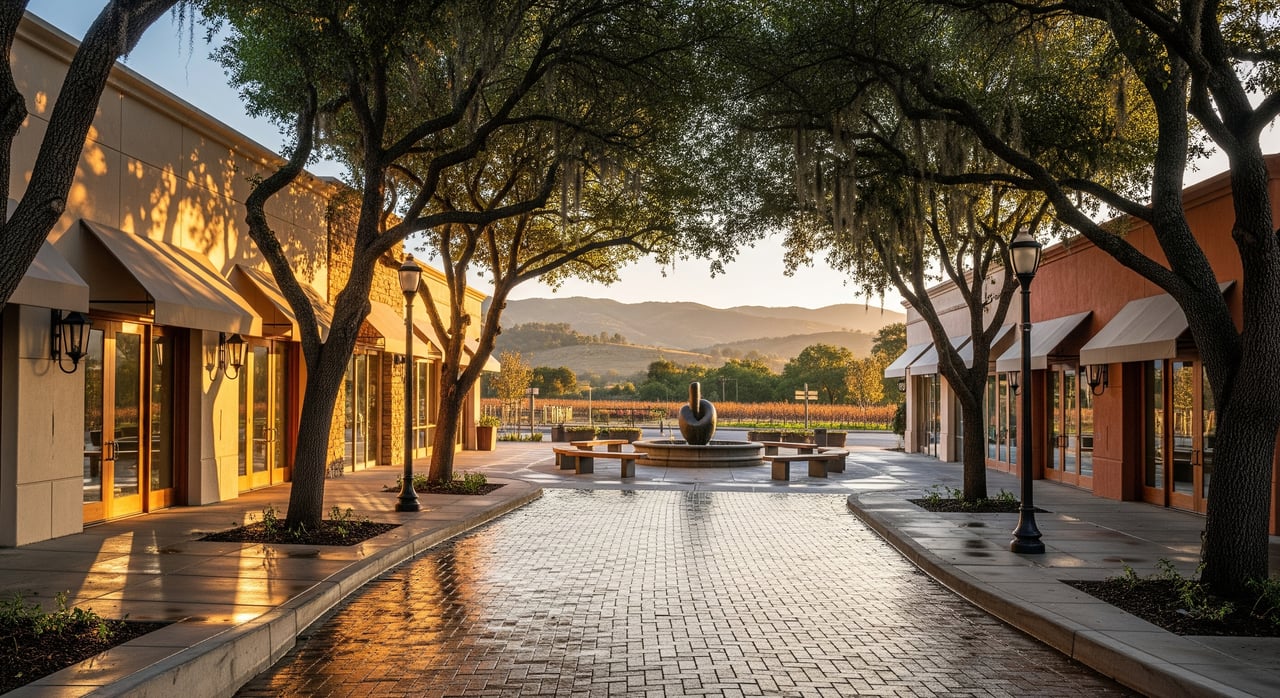
The downtown core is the most concentrated, walk-friendly pocket in Paso Robles. Short blocks, frequent crosswalks, and a central green space create an easy place to live life on foot.
Morning on foot
From many downtown addresses, you can reach multiple cafés and breakfast spots in 5 to 10 minutes. A small market or neighborhood grocer is often in the same range, with a pharmacy or clinic typically 10 to 20 minutes away depending on the exact block. The central park is a few minutes from many downtown residences for a quick stroll with coffee.
Afternoon errands and the park
Expect a cluster of locally owned shops, services, banks, and the post office within a short walk. Seasonal farmers markets and weekend events bring extra pedestrian activity, which adds energy and more options in the core. If you prefer quieter streets, plan errands during mid-morning or early afternoon when foot traffic is lighter than during lunch, dinner, or events.
Evenings, dining, and tasting
Downtown offers a dense set of restaurants, tasting rooms, and bars within 5 to 15 minutes on foot for many addresses. It is easy to plan an entire evening without moving your car. Parking is available, but the layout favors short, connected walks between venues once you arrive.
Near-downtown residential pockets
Just beyond downtown, you will find quiet residential blocks and small subdivisions still close to the core.
Lifestyle overview
These streets offer more of a residential feel with front yards and tree-lined sidewalks while keeping you within walking distance of downtown amenities. Many homes here are within 5 to 15 minutes of the central park and restaurants.
Daily conveniences within reach
Expect a coffee option in about 5 to 10 minutes, a neighborhood convenience store within a similar range, and a full-service supermarket in about 10 to 25 minutes on foot depending on the address. Local elementary schools and small parks are scattered through these areas, often 10 to 20 minutes away.
Is this right for you
Choose these pockets if you want a calmer home base with quick access to downtown. You will trade a few minutes more walking time for a quieter block and additional on-street parking versus living directly in the core.
Secondary mixed-use corridors
Beyond the core, small commercial strips and nodes sit along key roads and major intersections.
What you can walk to
From many homes near these corridors, you can reach chain and local restaurants, banks, a pharmacy, and sometimes a grocery anchor in 5 to 20 minutes. You may also find quick-service dining and an occasional tasting room within the same window.
Tradeoffs to expect
Blocks are longer and crosswalks can be farther apart than downtown, so walking routes may feel less direct. On the plus side, these nodes typically have easier parking than the core if you are mixing walking with quick errands.
Wine-country walkability
Paso Robles is a wine region, which creates two different tasting room experiences.
Downtown tasting rooms
In the core, tasting rooms sit close to restaurants and shops. You can plan an afternoon of short, concentrated walks between venues, all within about 5 to 15 minutes of many downtown addresses.
Outside downtown
Many wineries and tasting rooms are along scenic corridors that are geographically dispersed. These typically require a drive or a rideshare. Some closer-in tasting centers cluster a couple of venues within a small plaza, but they are the exception. If daily walks to tasting rooms are a priority, focus your search on downtown or immediate commercial nodes.
Parks, trails, and riverside routes
Parks and open space add another layer of walkability.
- Neighborhood parks: often a short walk for daytime recreation or dog-walking.
- Central park: anchors the downtown core, with benches, shade, and event space just minutes from many downtown blocks.
- Recreational trails and riparian corridors: great for longer walks, but many addresses will require a short drive to reach them. Consider the difference between walking for errands and walking for recreation when you plan your day-to-day.
How to evaluate a block on tour
Use this checklist during showings to understand real-world walkability:
- Sidewalks and crossings: Look for continuous sidewalks, curb cuts, visible crosswalks, and pedestrian signals.
- Block length and connectivity: Shorter blocks and a grid mean more direct routes. Cul-de-sacs and winding streets add time.
- Topography: Some routes have noticeable hills. If you prefer flat walks, note the grade between home and daily destinations.
- Shade and comfort: Street trees and shade matter in warmer months.
- Lighting and visibility: Confirm street lighting and sightlines for evening walks.
- Activity and hours: Downtown is busiest at lunch, dinner, and event times. Visit during both busy and quiet periods to gauge your preference.
- Parking vs. pedestrian priority: Surface parking lots can interrupt walk routes in secondary corridors; downtown is more compact and connected on foot.
- Transit and micro-mobility: Local bus routes and rideshare options can make a slightly less walkable home functionally easier for errands and nights out.
Quick walkability checklist
Before you decide on a home, verify:
- Coffee or bakery within 5 to 10 minutes
- Neighborhood market within 5 to 15 minutes
- Full-service supermarket within 10 to 25 minutes
- Pharmacy or clinic within 10 to 20 minutes
- Restaurants or tasting rooms within 5 to 15 minutes in the core
- Central park or playground within 0 to 10 minutes, depending on proximity
- Schools or daycares within 10 to 20 minutes if that matters for your routine
- Sidewalk continuity and safe crossings along your most common routes
Resources to self-check
- To gauge nearby amenities, quickly check an address with Walk Score.
- Map door-to-door times with Google Maps walking directions and Street View.
- Find official park locations and public updates from the City of Paso Robles.
- See seasonal events and downtown happenings on the Visit Paso events calendar.
Ready to explore these pockets on foot and find the right fit for your lifestyle? Reach out to the local team at Oaks to Ocean Real Estate for a guided neighborhood tour, on-the-ground walking times, and broker-level advice tailored to your move.
FAQs
What are the most walkable areas in Paso Robles for daily errands?
- The downtown core around the central park and Spring Street offers the most concentrated walking access, with adjacent residential pockets reaching restaurants, coffee, and the park in about 5 to 15 minutes.
Can you reliably walk to tasting rooms in Paso Robles?
- Yes in the downtown core, where tasting rooms cluster near dining and shops; most winery properties outside downtown are dispersed and typically require driving or rideshare.
How long is the walk to a supermarket from near downtown?
- Many addresses in and around downtown are about 10 to 25 minutes on foot from a full-service supermarket; verify exact times with mapping tools for the specific block.
Are sidewalks continuous across Paso Robles neighborhoods?
- Sidewalks are generally more continuous in the downtown core, while secondary corridors can have longer blocks and interruptions; check your specific route for curb cuts, crossings, and lighting.
Do weekend events make downtown hard to navigate on foot?
- Events increase pedestrian activity and energy, especially around lunch and dinner; plan timing accordingly, and enjoy that most venues remain within a short, connected walk.